Patient Simulator FAQs
·
Lisa
Patient Simulator FAQs — Lisa
Everything you need to know about Lisa — the high-fidelity female patient simulator built for realistic, accessible clinical skills training.

Everything you need to know about Lisa — the high-fidelity female patient simulator built for realistic, accessible clinical skills training.
A high-fidelity patient simulator closely replicates human physiology so healthcare professionals can practise clinical skills safely and effectively. Lisa focuses on core high-fidelity capabilities while removing rarely used functions — improving usability and affordability.
Lisa's core capabilities include advanced airway management, ventilator compatibility, and responsive physiological features. By concentrating on what's clinically essential rather than packing in seldom-used extras, she suits institutions that want realistic training without unnecessary complexity or cost.
The best way to appraise fidelity against your learning goals is to book a demonstration with our sales team.
Healthcare education has historically relied on male-default simulators, which can limit learners' exposure to sex-specific assessment considerations. A female simulator like Lisa helps deliver more representative, inclusive clinical training.
Using a female patient simulator helps institutions:
This aligns with modern curriculum standards and evolving healthcare equity priorities.
Lisa supports advanced clinical realism — difficult airway scenarios, configurable lung mechanics, ventilator compatibility, responsive neurological features, and realistic auscultation — with focused fidelity that drives strong learning outcomes without excessive setup or cost.
Her advanced realism features include:
Educational research shows that effective simulation depends more on learning design than on maximum technical complexity. Lisa provides focused fidelity that supports strong outcomes without the burden of excessive setup or cost.
Yes. Lisa supports the clinical competencies required across NHS education and academic healthcare programmes, and integrates easily into existing skills labs, simulation centres, and clinical education settings.
Lisa supports competencies including:
Because she is designed around essential clinical workflows, Lisa fits straight into the settings you already run — no specialist reconfiguration required.
Lisa supports a broad range of airway and respiratory training scenarios, enabling learners to practise both routine and critical interventions safely.
Supported scenarios include:
These features let learners build confidence across everyday airway management and time-critical emergency interventions alike.
Yes. Lisa's adjustable physiological parameters let educators build scenarios that scale across experience levels, and age-specific face skins enhance realism across diverse patient scenarios.
Educators can create scenarios suitable for:
Because difficulty is driven by adjustable parameters rather than fixed presets, the same simulator grows with your learners — from first encounters through to advanced practice.
Traditional high-fidelity simulators are a significant investment. Lisa is designed as a more accessible option — retaining core high-fidelity clinical capabilities at a significantly lower cost.
Because high-fidelity equipment is a major purchase, it warrants careful evaluation of realism against budget. Lisa is built to ease that trade-off, keeping the clinical capabilities that matter most while removing the price premium attached to rarely used features.
Speak to our team about use cases and value compared to your existing equipment.
Yes. Lisa is designed for practical usability, so educators can spend more time teaching and less time managing equipment.
Usability features include:
Reducing technical complexity frees up educator workflows, keeping the focus on learning rather than logistics.
Yes. Lisa is built for everyday clinical education use, allowing training to take place across simulation labs, classrooms, or clinical environments without extensive setup.
Practical features include:
These let you move Lisa wherever training needs to happen, rather than building sessions around fixed equipment.
Evaluate Lisa against your curriculum outcomes, fidelity needs, ease of use, cost-effectiveness, and clinical realism — and book a live demonstration to test her in your own scenarios.
When weighing up any simulator, healthcare training providers should evaluate:
Booking a live demonstration is the best way for your team to test workflows, assess features in real scenarios, and decide whether Lisa meets your training goals. Request a demo with the sales team today.
Book a live demonstration and find out if Lisa is the right fit for your organisation.

Sim & Skills supported Elevate Healthcare at HPSN UK 2025 for two inspiring days of innovation in healthcare simulation. From cutting-edge patient simulators to interactive workshops and thought-provoking talks, the...
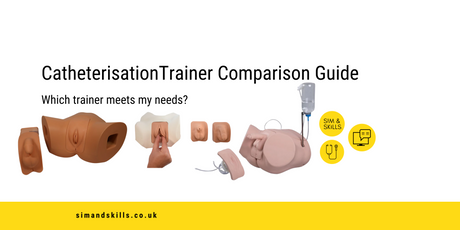
How do you choose a new Catheterisation Trainer? With so much choice, it's hard to find the right model to meet your needs. Our handy comparison guide compares our top...
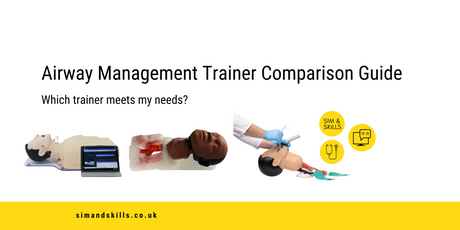
How do you choose a new Airway Management Trainer? With so much choice, it's hard to find the right model to meet your needs. Our handy comparison guide compares our...
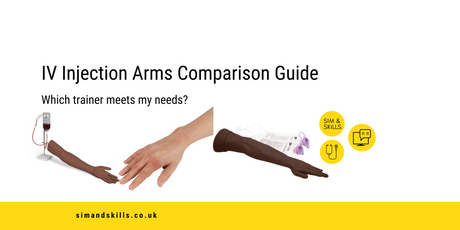
How do you choose a new IV injection training arm? With so much choice, it's hard to find the right model to meet your needs. Our handy IV arm comparison...
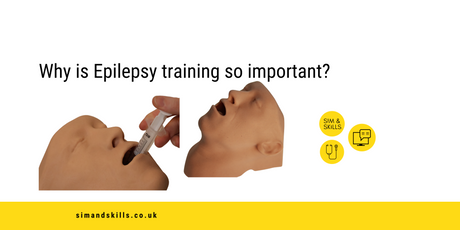
Find out why Epilepsy training is so important. Discover how Buccal Injection Trainers are a safe and cost-effective way to train staff to administer life-saving Epilepsy medication.
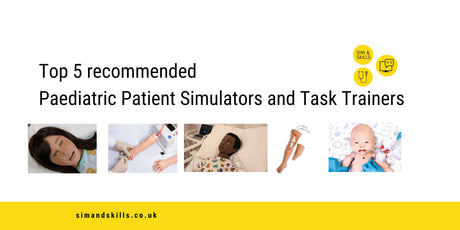
Paediatric training is designed to meet the challenges and develop the skills needed to care for young children. You need the best paediatric patient simulators and task trainers to meet...
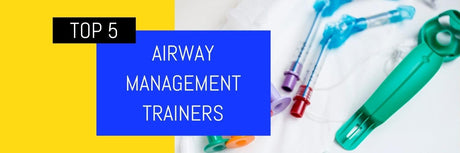
RECAP: Top 5 Airway Mangement Trainers: Airway Management Simulator with Feedback from BT Inc Airway Management Trainer Complete from Decent Simulators Airway Management Trainer (Basic) from BT Inc Advanced Airway...
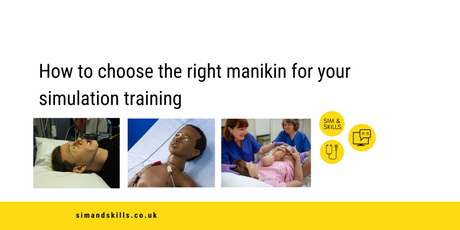
Having the right manikin means you can achieve your learning outcomes, improve the confidence of your trainees and increase patient safety. But with so much choice, how do you select...